Heritage Guide
Chidaoba: the Georgian Wrestling Tradition Behind the Training in Tbilisi
What chidaoba is, why UNESCO listed Georgian wrestling in 2018, and how a living folk tradition changes the grappling rooms you will actually train in.
Quick answer
Chidaoba is Georgia’s own wrestling tradition. UNESCO inscribed it on the Representative List of the Intangible Cultural Heritage of Humanity in 2018, under the title “Chidaoba, wrestling in Georgia”.
No camp in Tbilisi will turn an adult visitor into a chidaoba wrestler in a week, and none of them pretend to. What the tradition explains is why the grappling rooms here feel different: wrestling in Georgia is native rather than imported, and the 48 Olympic medals the country has taken as an independent nation cluster in wrestling, judo and weightlifting.
Read it as a reason to pick the destination, then book the sport you actually train.
UNESCO status
Intangible Cultural Heritage, 2018
Olympic record
48 medals, concentrated in grip sports
On the adult timetable
Context, not curriculum
Taught to juniors
Wolf Tribe Elite Summer Camp 2026, ages 7–16
What chidaoba is, and what the UNESCO listing actually covers
Chidaoba is Georgia’s traditional wrestling. In 2018 UNESCO inscribed it on the Representative List of the Intangible Cultural Heritage of Humanity, filed under the plain title “Chidaoba, wrestling in Georgia”. That entry is the primary record, it is short, and it is linked at the foot of this page.
The word intangible is doing real work there. UNESCO’s World Heritage list protects places — a cathedral, a cave system, a walled town. The Intangible Cultural Heritage list covers practices that only exist while people keep doing them: a craft, a song form, a way of wrestling. Nothing about chidaoba is preserved in a building. It survives because one generation keeps showing the next how it goes.
That is the most useful thing to understand before you fly to Tbilisi to train. You are not going to look at a tradition behind glass. You are going to a country where the handing-over is still happening, and where it happens in rooms that look a lot like the one you already train in.
This guide does not try to reproduce the UNESCO file. If you want the technical detail — how a bout is contested, what the wrestlers wear, the music and the setting — read the entry itself rather than a camp brochure. What follows is the part no archive covers: what a living wrestling tradition does to the coaching you will actually get.
Why a folk tradition still matters to a modern grappler
The easy move is to file chidaoba under folklore and get back to your guard retention. Costumes, drums, a crowd in a village square: interesting, not relevant.
That misreads how technique travels. Nobody in a Tbilisi wrestling room is doing chidaoba on a Tuesday morning. But the coaches running that room learned to wrestle in a country where wrestling was already the default physical language rather than an imported hobby, and where a throw was the obvious way to settle a contest. Defaults are exactly what you are buying when you train abroad.
You feel it in small places. How early the grip fight starts. How much of a session goes to hand position and posture instead of finishing sequences. How ordinary it is to be picked up and put down by a training partner twenty kilos lighter than you.
Visiting jiu-jitsu players usually meet it as a problem first: the takedown defence they thought was adequate is not. That is the trade you are making. You came for the environment, and the environment tells you the truth about your standing game inside the first forty minutes.
Wrestlers and judoka arrive with the opposite experience. They are not surprised by the grip fight, they are surprised by how little apology there is around it. A round starts, hands go up, and the argument about who dictates happens immediately, at every belt and every age in the room. That pace is hard to manufacture in a gym where wrestling is a specialty. It is the ambient setting in a country where it is the norm.
From village contest to Olympic mat
Georgia’s modern record makes the continuity hard to wave away. Wrestling has produced more Olympic medals for Georgia than any other sport, and the 48 medals the country has taken as an independent Olympic nation cluster in wrestling, judo and weightlifting — three sports decided by grip, hips and a willingness to move weight that does not want to be moved.
Judo is the clearest bridge between the old tradition and the modern one. Under the Soviet flag, Georgian judoka won more medals than those of any other republic in the union: a small country supplying an outsized share of a superpower’s judo team. The judo camp’s whole argument is that this coaching lineage never left Tbilisi.
It is worth being precise about the shorthand. The camps say you can train where chidaoba became Olympic wrestling, and as a slogan that is fair enough. The more accurate version is that freestyle and Greco-Roman are codified international sports with rulebooks, weight classes and federations, while chidaoba is a local practice with none of that machinery attached. Georgia did not convert one into the other. It was already full of wrestlers when the Olympic codes arrived, and it took them up the way a fluent speaker picks up a dialect.
None of that proves chidaoba caused the medals. Sporting cultures are not that tidy, and anyone selling you a straight line from a folk tradition to an Olympic podium is selling you a story. What the record does show is a country where wrestling never had to be explained or marketed to anybody, and where a child who wants to grapple is doing an ordinary thing rather than an eccentric one.
If you want the medal history on its own terms rather than the tradition around it, the companion guide below goes through the two separate record books — the Soviet era and the independent one.
What the tradition does to the room you will train in
Six camps run out of the same complex in Tbilisi, and the four grappling ones all draw on the same base. The heritage argument is not decoration on top of them; it is the reason the rooms behave the way they do.
Wrestling is the most direct inheritance. It is the sport that has won Georgia the most Olympic medals, and the camp sits on the tradition that UNESCO listed. Georgian wrestling training in Tbilisi is the closest an adult visitor gets to the chidaoba lineage in a normal training week.
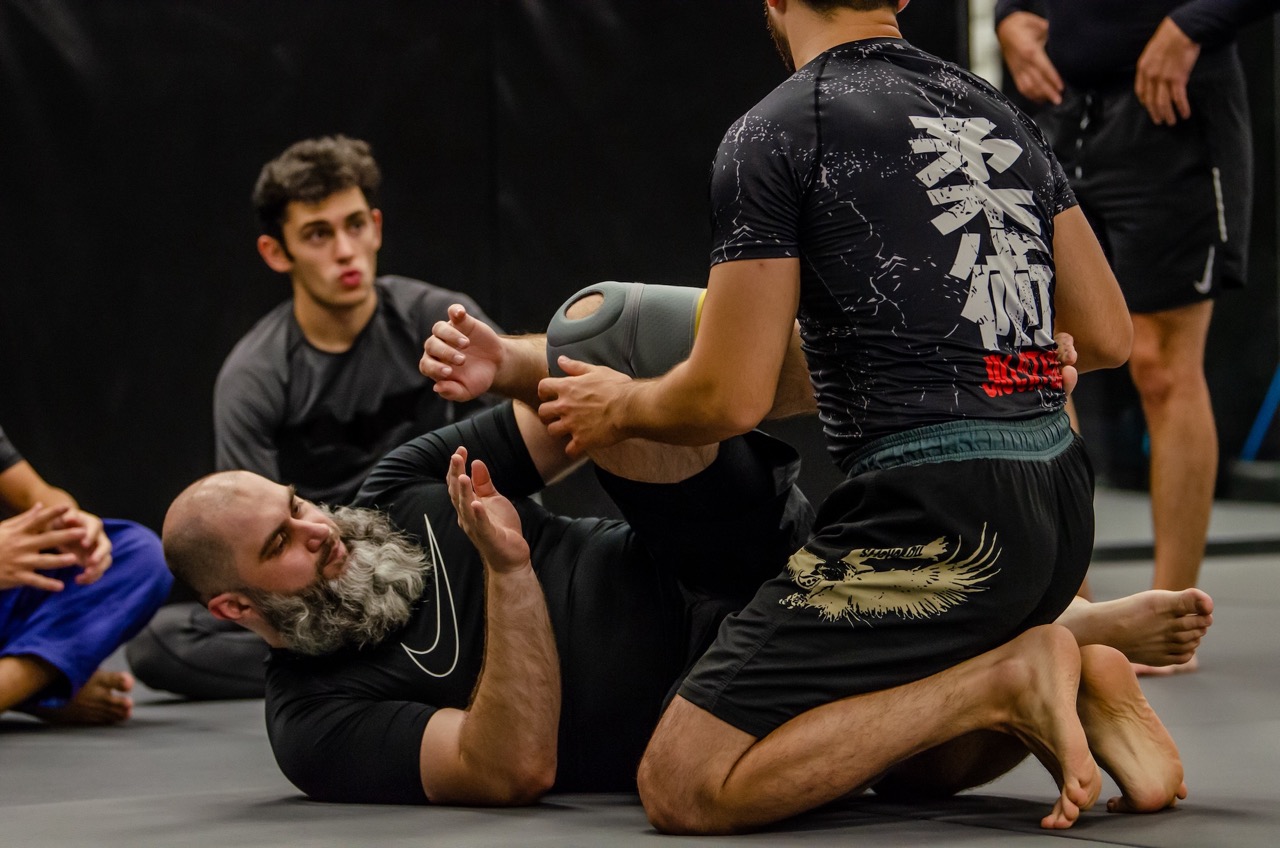
Judo runs on its own tatami with the Soviet-era coaching lineage behind it. Brazilian jiu-jitsu benefits sideways: rolling with wrestlers and judoka moves your guard retention and takedown defence faster than another room full of jiu-jitsu players will. MMA here is built on a wrestling and sambo base, which is why the takedown and top-control work is unusually strong for a camp that also teaches striking.
Boxing and kickboxing sit outside this lineage, and it is worth saying so plainly. They stand on the facility, the ring and the coaching rather than on a grappling tradition. If heritage is your deciding factor, they are not the reason you would come to Georgia — pick them for the training, not for the story.
Will anyone actually teach you chidaoba?
The straight answer for an adult visitor is no, and you should be suspicious of anyone who says otherwise. The six camps sell MMA, wrestling, boxing, kickboxing, jiu-jitsu and judo. Chidaoba is not one of the six, and a camp promising to make you a chidaoba wrestler in seven days would be selling you a costume.
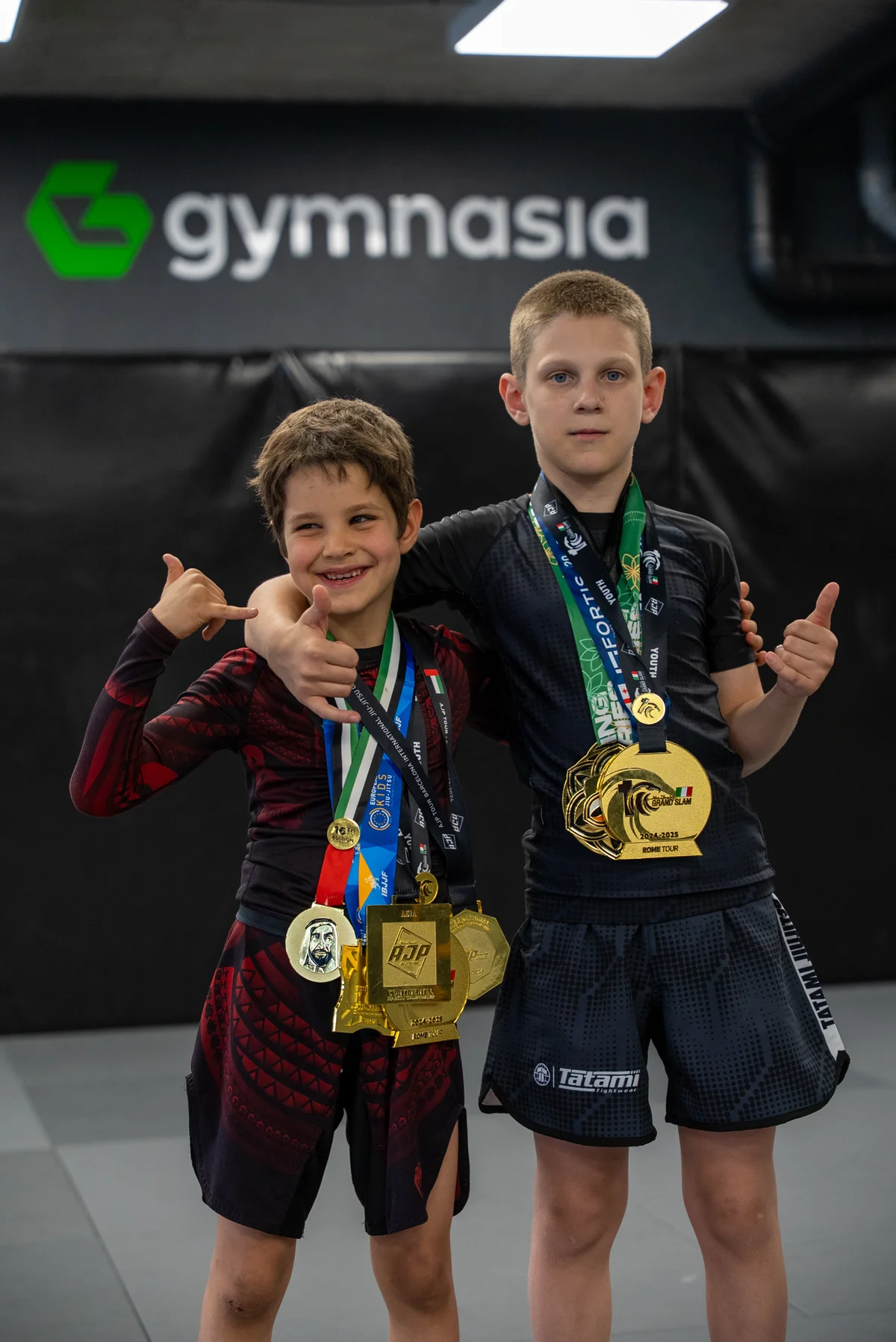
The one place it appears on a published curriculum is the junior side. Wolf Tribe Elite Summer Camp 2026 lists chidaoba alongside judo, jiu-jitsu and combat karate for ages 7–16. Children get the tradition inside the syllabus, which is exactly how an intangible heritage practice is supposed to move between generations.
For adults it is context rather than curriculum, and that is not a lesser version. Ask your coach about it. Georgian coaches will talk, and what you get standing on the mat after a session is better than anything a page like this can hand you.
That limitation is worth reframing as good news. You have six training days and a finite recovery budget. A novelty session in a style you will never compete in would cost you one of them, and you would fly home with an anecdote instead of a better single leg. Keeping the timetable on the sports you actually train is the correct call.
If you want to watch chidaoba rather than train it, plan for luck. It lives in cultural events rather than on a gym timetable, so a demonstration is a matter of timing and not something a camp can put inside a package. If it genuinely matters to your trip, ask before you book rather than after you land.
How to use the heritage on a seven-day trip
Heritage is a reason to choose a destination. It is not a training plan. Your week in Tbilisi is still stance, grips, entries, finishes, top pressure and live rounds, six days of it, and the tradition is the reason those things are taught well rather than a substitute for them.
Camp modules run 7 and 14 days and start on the first Tuesday of each month, so the calendar decides more than you do. If you can take the longer block, take it: the second week is when local training partners stop being a novelty and start being a measurement.
Money is the least mysterious part. A training-only week starts at €500 and leaves your accommodation to you. Full board with a shared room starts at €990 and covers training, meals and hotel; a private room adds €200 per week on top.
Use the heritage to choose the sport, not only the country. A jiu-jitsu competitor whose standing game is the weak half of their record gets more from a wrestling module than from another week of guard passing. A judoka gets the tatami and the lineage. An MMA fighter gets the wrestling-and-sambo base the local professionals are built on. Pick for the gap in your own game and the tradition looks after itself.
The trip around it is unusually easy for a training destination. Citizens of more than 95 countries can stay visa-free for up to a year, everyday living costs in Tbilisi run roughly USD 800–1,200 a month, and Tbilisi International Airport connects through enough European and Gulf hubs that most athletes reach it in one stop. The planning guides below handle that side properly.
- What a week at a Georgian combat camp is like, day by day
- Plan a training trip to Georgia: visas, flights and timing
- Training camp in Tbilisi: the full cost breakdown
Train where the tradition is still being handed over
The camps run monthly 7- and 14-day modules from the same Tbilisi complex. Pick a month, then pick the sport.
See camp datesWhat to take away
- Chidaoba is Georgian traditional wrestling, on UNESCO’s Intangible Cultural Heritage list since 2018 — a living practice, not a preserved monument.
- You will not be taught chidaoba as an adult visitor. Its value to you is the coaching culture it left behind, not a class you can book.
- The 48 Olympic medals Georgia has won as an independent nation cluster in wrestling, judo and weightlifting, and Georgian judoka out-medalled every other Soviet republic — a record that fits a country where grappling is native.
- The heritage argument applies to the wrestling, judo, jiu-jitsu and MMA camps. Boxing and kickboxing stand on their facility and coaching instead.
- The junior Wolf Tribe camp is the one place chidaoba is on a published curriculum, which is how an intangible tradition is meant to travel.
Questions people ask
Can I book a chidaoba class in Tbilisi?
Not as an adult camp booking. The six camps teach MMA, wrestling, boxing, kickboxing, jiu-jitsu and judo. Chidaoba appears on the junior Wolf Tribe curriculum, and for adults it is background to the wrestling and judo you actually train.
Does the chidaoba tradition make Georgian coaching better?
It does not guarantee a better coach, and no honest camp would claim that. What it changes is the default standard of a room: wrestling is normal here, throws are normal, and the grip fight is taken seriously from the first warm-up.
Which camp sits closest to the chidaoba lineage?
Wrestling, then judo. Wrestling is the sport that has won Georgia the most Olympic medals and the one the tradition feeds most directly; judo carries the Soviet-era coaching lineage. Jiu-jitsu and MMA inherit the base indirectly through their training partners.
How can I see chidaoba while I am in Georgia?
By timing and luck. It belongs to cultural events rather than gym schedules, so no camp can guarantee a demonstration during your week. Ask before you book if seeing it is part of why you are coming.
Is the UNESCO listing just marketing?
No, but it also is not a quality rating for camps. An Intangible Cultural Heritage inscription records that a practice is alive and being transmitted between generations. It says something about Georgia; it says nothing about any individual gym.
Keep reading
Combat Sports Training Camps in Georgia
Six camps, one Tbilisi facility: MMA, Wrestling, Boxing, Kickboxing, BJJ, Judo. What a week costs, how the 7- and 14-day modules run, and which camp fits you.
Read guide
Why Georgia Is a Grappling Superpower: Wrestling, Judo and Olympic History
Georgia’s Olympic record splits in two: 48 medals as an independent nation, plus a Soviet judo record no other republic matched. What it buys a visiting athlete.
Read guide
What a Training Camp Is Like: A Week at a Georgian Combat Camp
What a training camp is actually like, day by day: the first session, the two-session rhythm, the day it hurts, the food, the rest day and what you take home.
Read guide
Train it in Tbilisi
Each camp runs its own coaching team and takes its own bookings. Start with the overview here, then book on the camp site.